

How Connected Health Technologies Enhance Patient Care | FMCNA
Ìý
A discussion with Jeffrey L. Hymes, MD, Chief Medical Officer forÌý, the dialysis services division of Ä¢¹½´«Ã½ North America, on the waysÌýÌýtechnologiesÌýenhance patient care.
Q:ÌýWhat are connected health technologies?
JH:Ìý Ä¢¹½´«Ã½œConnected HealthÄ¢¹½´«Ã½� encompasses a wide range of terms, tools and technologies that help bridge gaps between patients, providers and care teams. Terms we hear a lot associated with connected health are things like wireless, digital, electronic, remote, mobile, and telehealth. All in all, these innovations are meant to keep patients connected to their physicians and care teams, through the sharing of as much real-time data as possible.
Q:ÌýWhy does connected health matter for patients?
JH:ÌýThe patients we serve have complex needs. For them, staying connected to their physicians and care teams is essential. Connected health technologies have enabled care delivery beyond the walls of our clinics, not only making home care possible, but also improving access to health care in remote areas. These tools provide real-time connectivity between patients and their care teams, but also another vitally important element: real time patient and treatment data.
Connected health technologies address one of the biggest barriers in healthcare: the lag between data collection, data reporting and meaningful clinical action. With things like point of care testing, clinical decision support and access to real-time patient data during treatment, these technologies reduce lag time by allowing clinical decision-making based on data from todayÄ¢¹½´«Ã½”not yesterday, or weeks ago. These technologies also allow for more timely interventions, whether itÄ¢¹½´«Ã½™s an allergy alert, a medication advisory, or a flag regarding a potential error, to help avoid negative health care events.
Q:ÌýCan you share a few examples of connected health initiatives at Fresenius Kidney Care?
JH:ÌýIn partnership with our clinical health IT systems and product development teams, Fresenius Kidney Care has introduced several important connected health initiatives with more in the works. Some examples include:
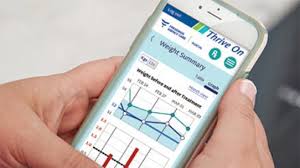
- The Fresenius Kidney CareÌýÌýkeeps patients connected with their care teams by allowing them to share key treatment data in real time, which builds a sense of community among our patients. Isolation is a common feeling among dialysis patients, and the concept of Ä¢¹½´«Ã½œcommunityÄ¢¹½´«Ã½� is one of the key social determinants of health relevant to the patients we serve.
- Remote monitoringÌýinitiatives help provide patients with greater security, especially for patients who dialyze at home. For example,ÌýÌýmachines include a modem that sends real-time data to the patientsÄ¢¹½´«Ã½™ care teams, including fluid data and when treatments start and stop. Instead of a home therapies patient bringing a notebook of the past monthÄ¢¹½´«Ã½™s treatment notes to their infrequent clinic visits, staff can see treatment data in real-time and intervene faster, when necessary.
- Telehealth usesÌýdigital information and communication technologies, such as computers, video calling and mobile devices, to deliver health care services and manage care remotely. With some options already being developed in our ESCO programs, Fresenius Kidney Care is at work to incorporate telehealth offerings broadly across our clinics. Examples of future potential uses include physicians, dieticians and social workers having virtual, face to face visits with patients, allowing for more frequent visits, increased efficiency and convenience and offering a degree of immediacy you donÄ¢¹½´«Ã½™t have when someone must travel to an appointment.
- Rounding Tools for PhysiciansÌýenable provider access to patient care tools and data when theyÄ¢¹½´«Ã½™re on the go or making rounds is another key goal of connected health. OurÌýmobile rounding implementsÌýfor physicians offer access to patient vital signs, lab results, treatments, communications with staff members and visibility into the plan of care, all of which make the rounding experience so much more meaningful for physicians.
WeÄ¢¹½´«Ã½™re also expanding efforts to include biosensing wearablesÄ¢¹½´«Ã½“such as digital blood pressure monitors and glucose sensorsÄ¢¹½´«Ã½”exploring ways connected health technologies can empower patients to become more active participants in their care.
Q:ÌýDo connected health technologies have the potential to affect patient engagement?
JH:ÌýConnected Health technologies can improve the way patients interact with and perceive their health care. In fact, patient empowerment and engagement increase when patients are actively involved in managing their own health.
For example, home therapies patients dialyzing at home may not have the same level of caregiver or social interaction as patients who dialyze in-center. A good deal of success for a home dialysis patient relies on their feeling properly supported and secure. The interactivity and connectivity between patient, their providers and care teams increase the patientÄ¢¹½´«Ã½™s sense of security and reduces their sense of isolation.
Whether itÄ¢¹½´«Ã½™s using ourÌý, remote patient monitoring devices, using biosensing wearables, or completing doctor visits via telehealth, connected health technologies put patients in charge of their own care by directly connecting them with their care teamÄ¢¹½´«Ã½™s efforts to improve their wellness. With the patients we serve being at the heart of everything we do, connected health technologies enable the type of connectivity required to truly deliver patient-centered care.
ABOUT JEFFREY L. HYMES, MD
In his role as Chief Medical Officer for Fresenius Kidney Care and Senior Vice President for Ä¢¹½´«Ã½ North America, Jeffrey Hymes, MD, leads quality clinical care across the United States for the companyÄ¢¹½´«Ã½™s nationwide network of dialysis clinics. The Chairman of the Fresenius Kidney Care Pharmacy and Therapeutics Committee, Dr. Hymes co-founded REN Corporation and National Nephrology Associates, formerly serving as NNAÄ¢¹½´«Ã½™s president and chief medical officer. He completed his medical internship and residency at the Yale New Haven Medical Center, received subspecialty training at Boston University, and is board certified in internal medicine. Dr. Hymes earned his MD degree from the Albert Einstein College of Medicine in New York and is a graduate of Yale College.
RESOURCES:
Ìýby Dr. Ahmad Sharif


